
Sidebar
Table of Contents
Bio

Hello! My name is Daniel Smith, and I am an electrical and RF engineer.
In my spare time, I like to work on various hardware and software projects, especially for my custom home automation system. My current technical interests include microcontrollers, Raspberry Pi's, networking, PCB development, RFID, antenna design, RF engineering, radar, wireless sensors, and audio engineering.
Avionics at Hermeus
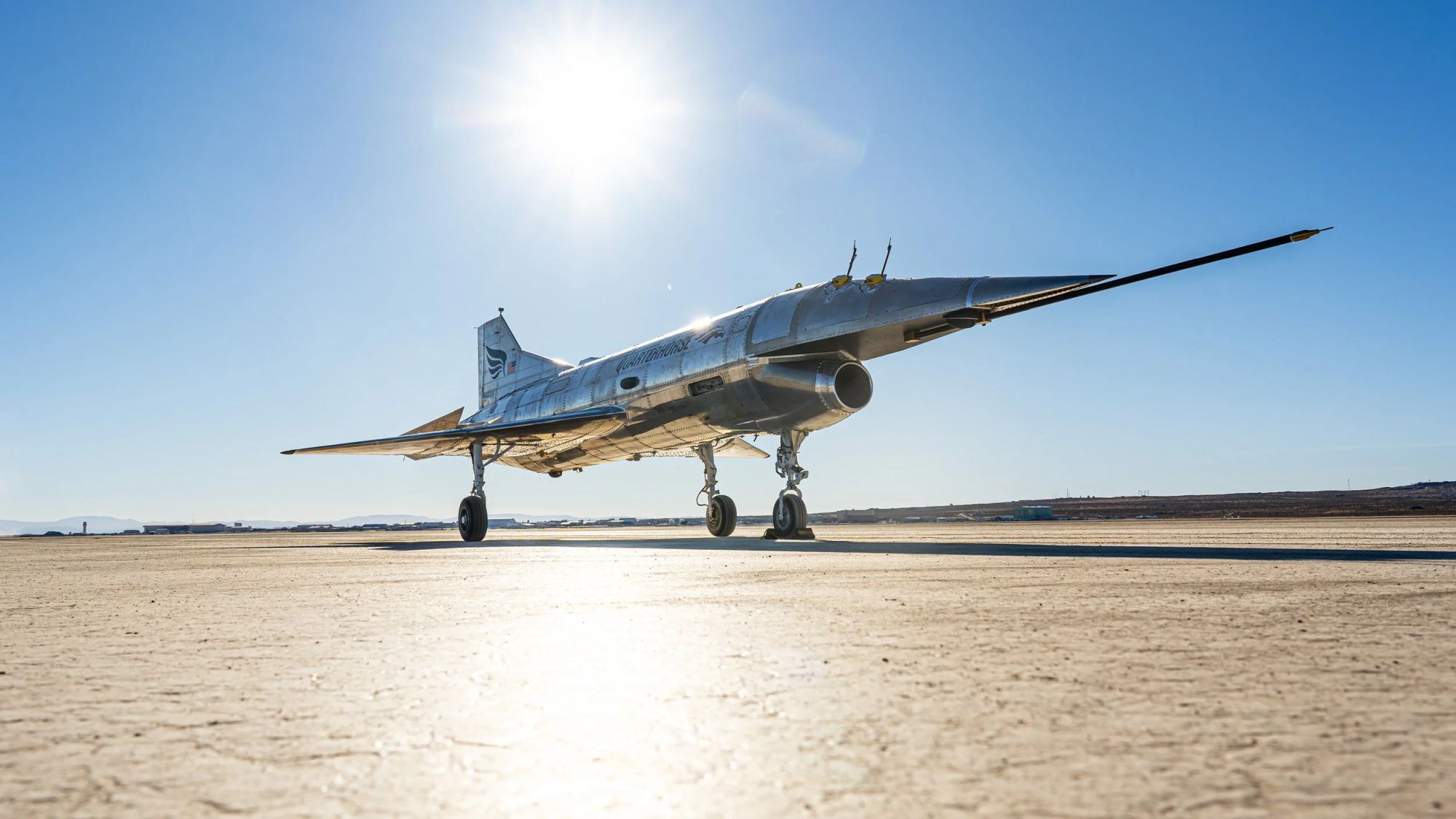
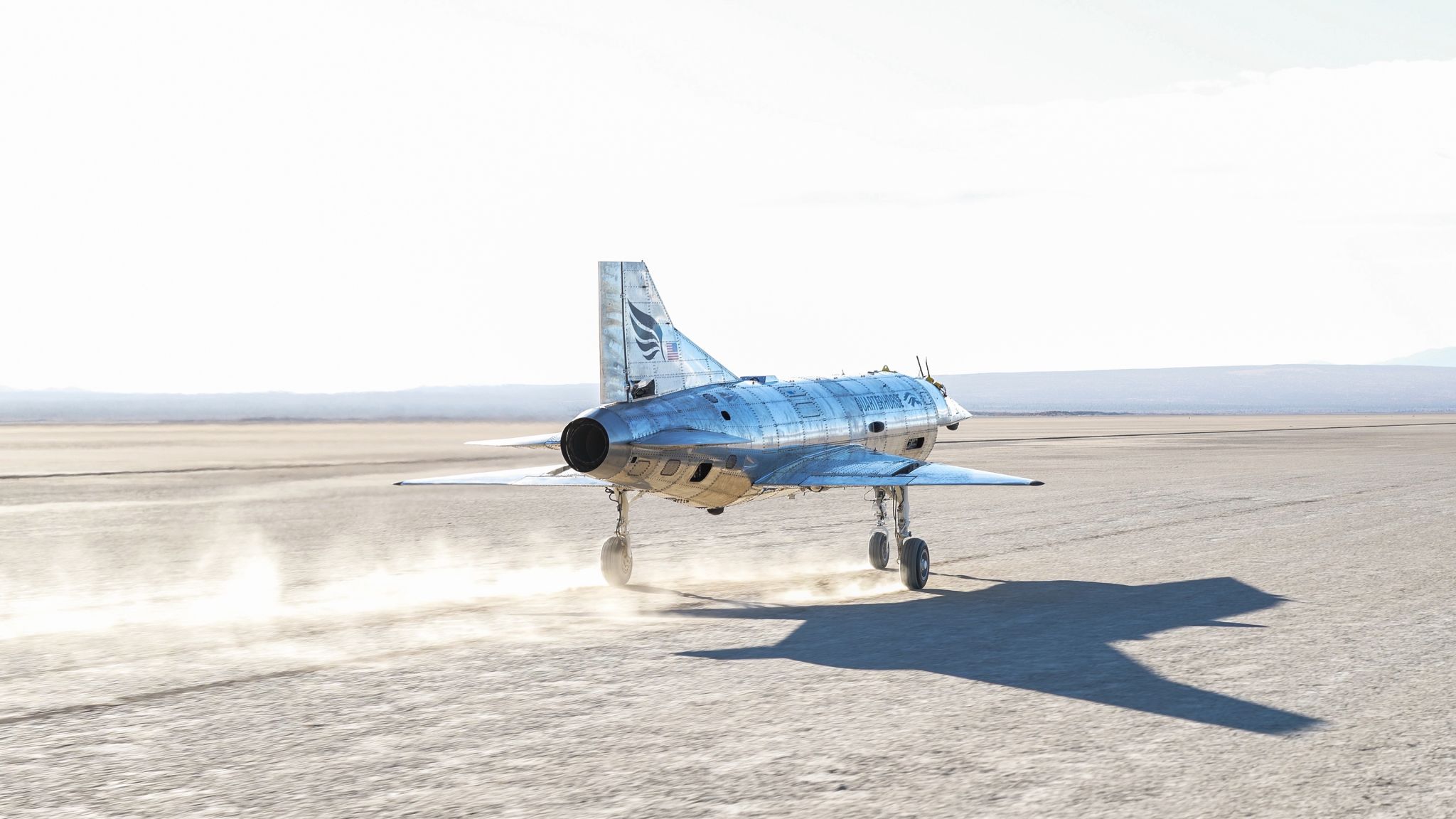
Since 2023, I have been working at Hermeus Corporation. As a Principal Avionics Engineer, I design and integrate critical electrical and communication systems for the company's high-Mach aircraft. Thus far, I have worked on two aircraft: the Mk 1 and the Mk 2.1.
For the Mk 1, Hermeus's first aircraft to fly, I designed the complete High Voltage (HV) electrical system, including its custom battery, as well as the Low Voltage (LV) distribution. I also took on the role of RF Lead, where I diagnosed and resolved critical reliability and latency issues with the command & control (C2) and telemetry radio systems, enabling the test campaign to proceed. All systems I developed performed flawlessly during Mk 1's successful first flight in May 2025.
I am currently continuing my role on the supersonic Mk 2.1 aircraft, where I am designing core avionics and integrating an expanded suite of RF communication systems. Read more on this blog post.
IoT Hardware at MapLarge
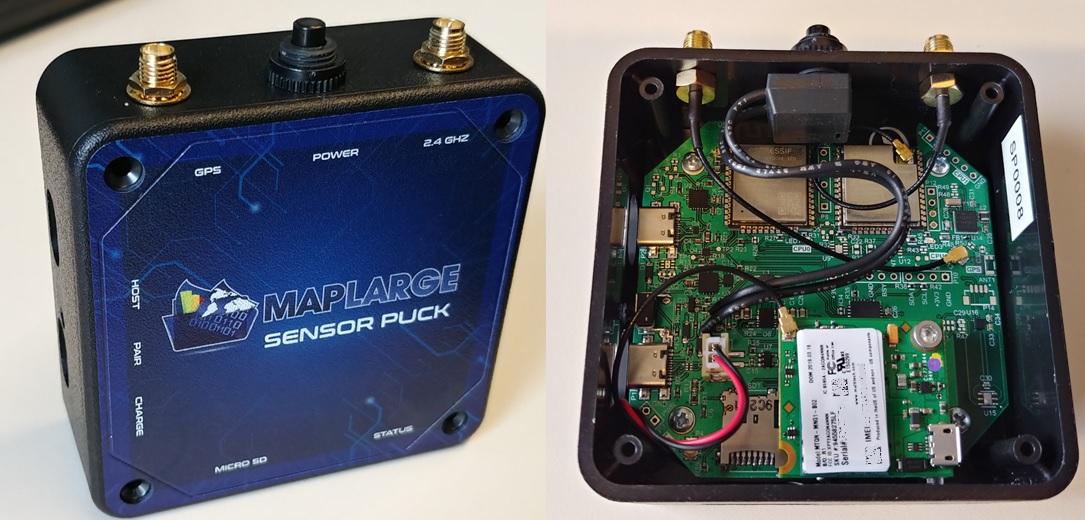
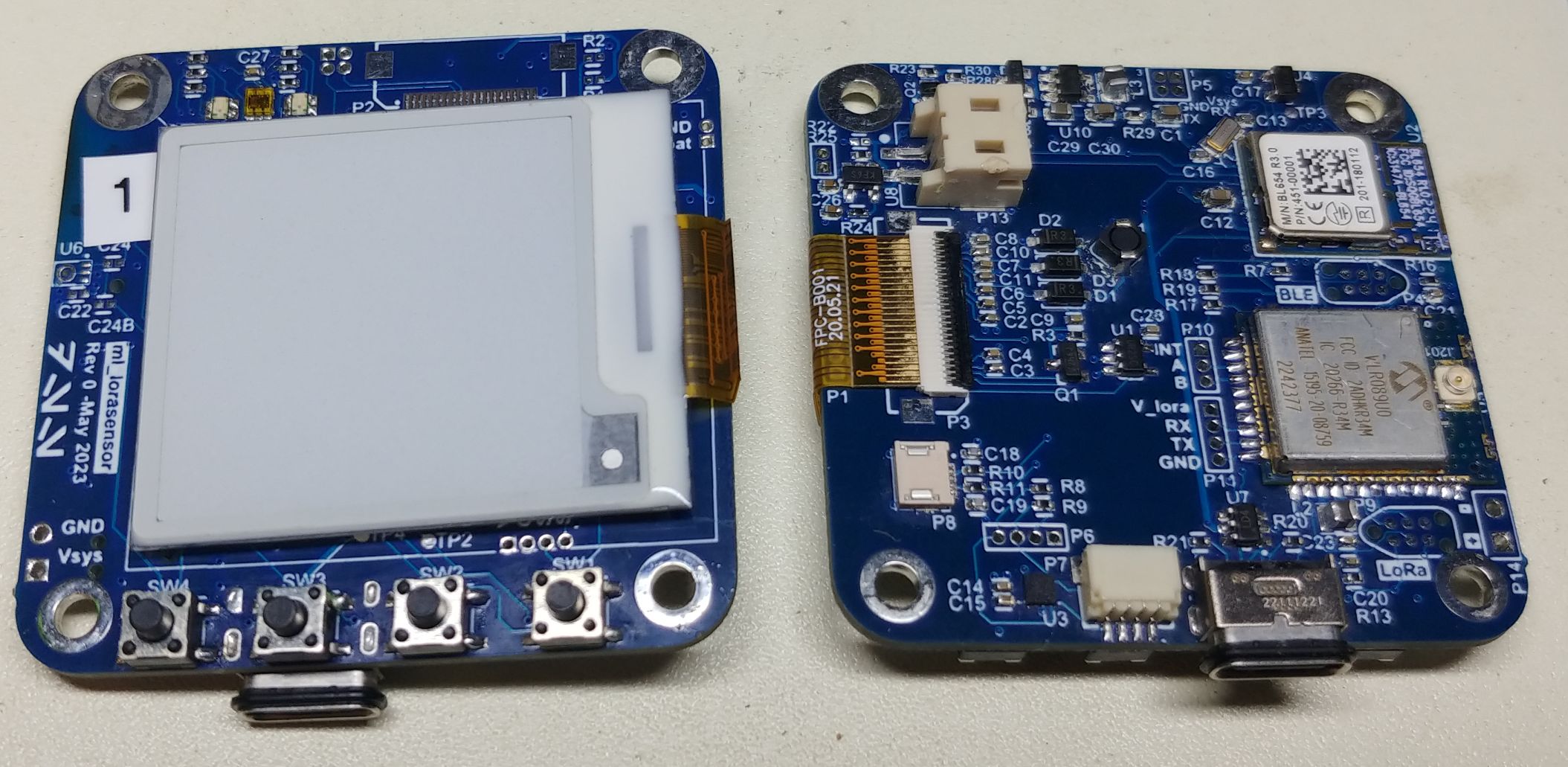
From 2019 to 2023, I worked at at MapLarge Inc as the Director of IoT Hardware. As a full-stack embedded engineer, I lead a small team and developed a wide variety of custom IoT sensors and wireless systems for large corporate and government clients. I worked with a wide variety of wireless technologies, including Bluetooth Classic, Bluetooth Low Energy (BLE), WiFi, LoRa, LTE CAT-M, ZigBee, Thread, RFID, UWB (DecaWave), GNSS, GPS RTK, and others.
On the hardware side, I designed and built PCB's at our in-house engineering lab and developed firmware in C and C++ for nRF91, nRF52, ESP32, PIC and other microcontroller platforms. I have experience with FreeRTOS, Zephyr and bare-metal firmware development. I also design and 3D print mechanical enclosures. After designing products, I performed initial EMC (Electromagnetic Compatibility) test measurements, have products formally tested at EMC test labs, and support product approval through the FCC process.
On the software side, I wrote Python and .NET code to interface with devices and sensors. I sometimes used HTML and JavaScript for basic embedded and test interfaces or MapLarge dashboards, but most of the software stack and app development is handled by the many talented software engineers at MapLarge.
Radar Systems at Georgia Tech Research Institute
From 2013 to 2019, I worked as a research engineer at the Georgia Tech Research Institute. I worked with some amazingly talented people and gained substantial skills with embedded design and RF engineering. At GTRI, I developed many custom circuit boards and wrote associated firmware and software. I also designed and fielded systems for flight testing on a variety of military and civilian aircraft.
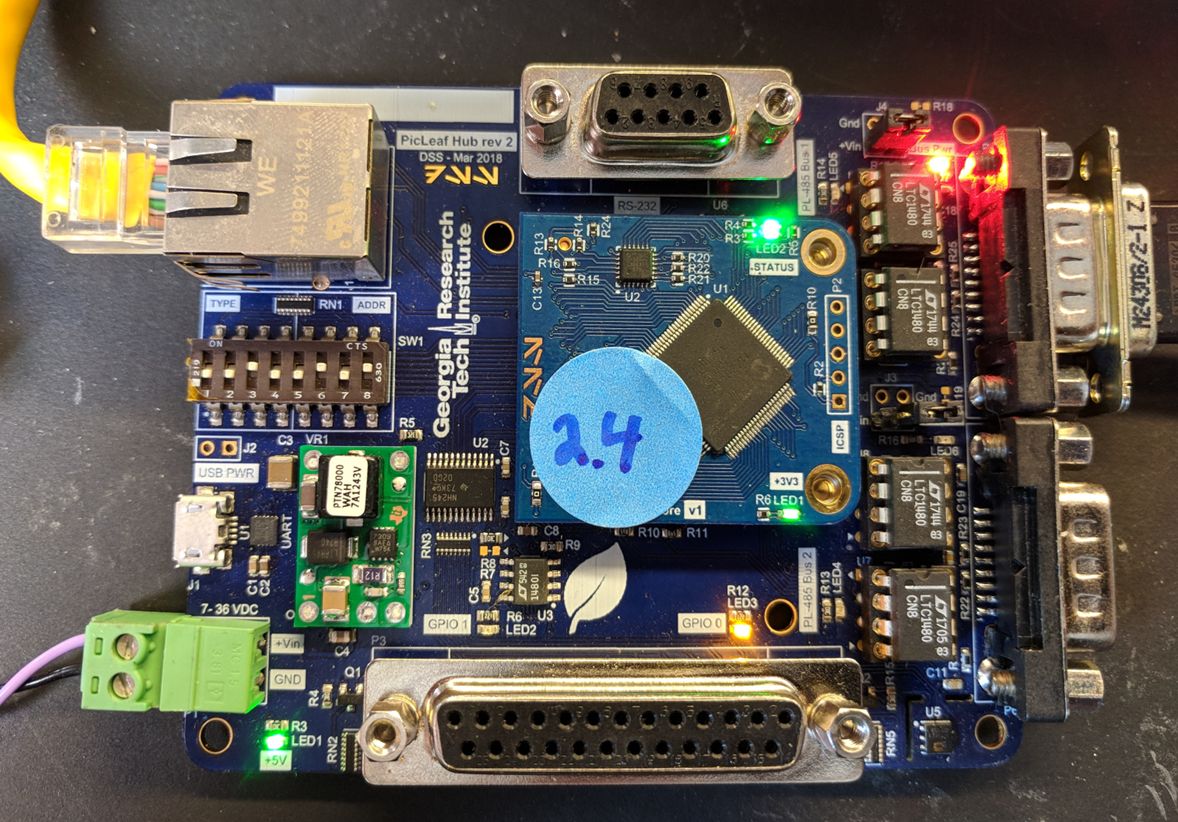
Over many of these years, I designed and built a custom “pod control system”, used to control a variety of custom radar test systems. The control system is a flexible architecture of custom PCBs with PIC microcontrollers that could be reconfigured with DIP switches to control various RF components such as attenuators, phase shifters, amplifiers, and other components. The system was highly flexible and reconfigurable so that it could be rapidly adapted for different missions.
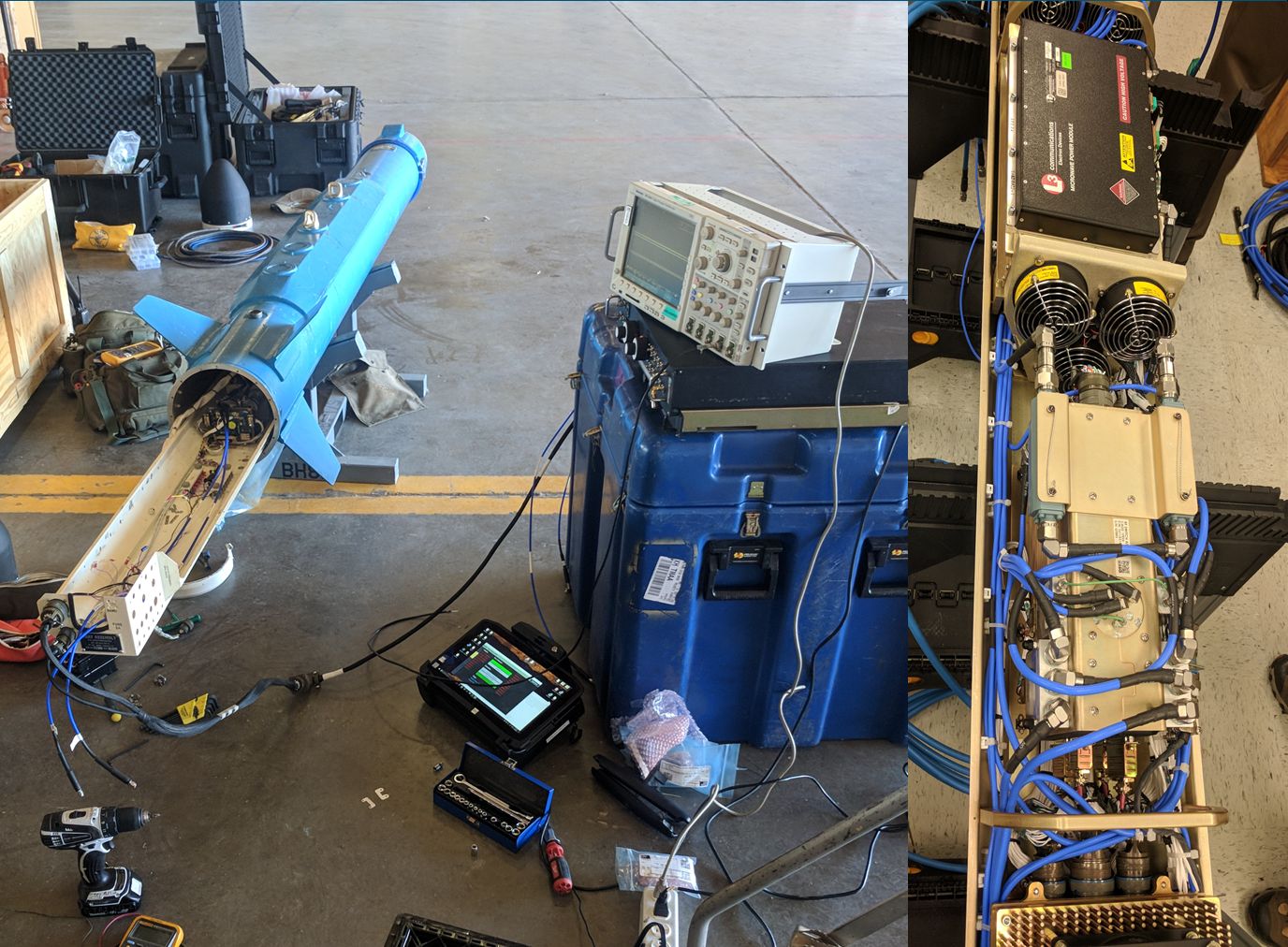
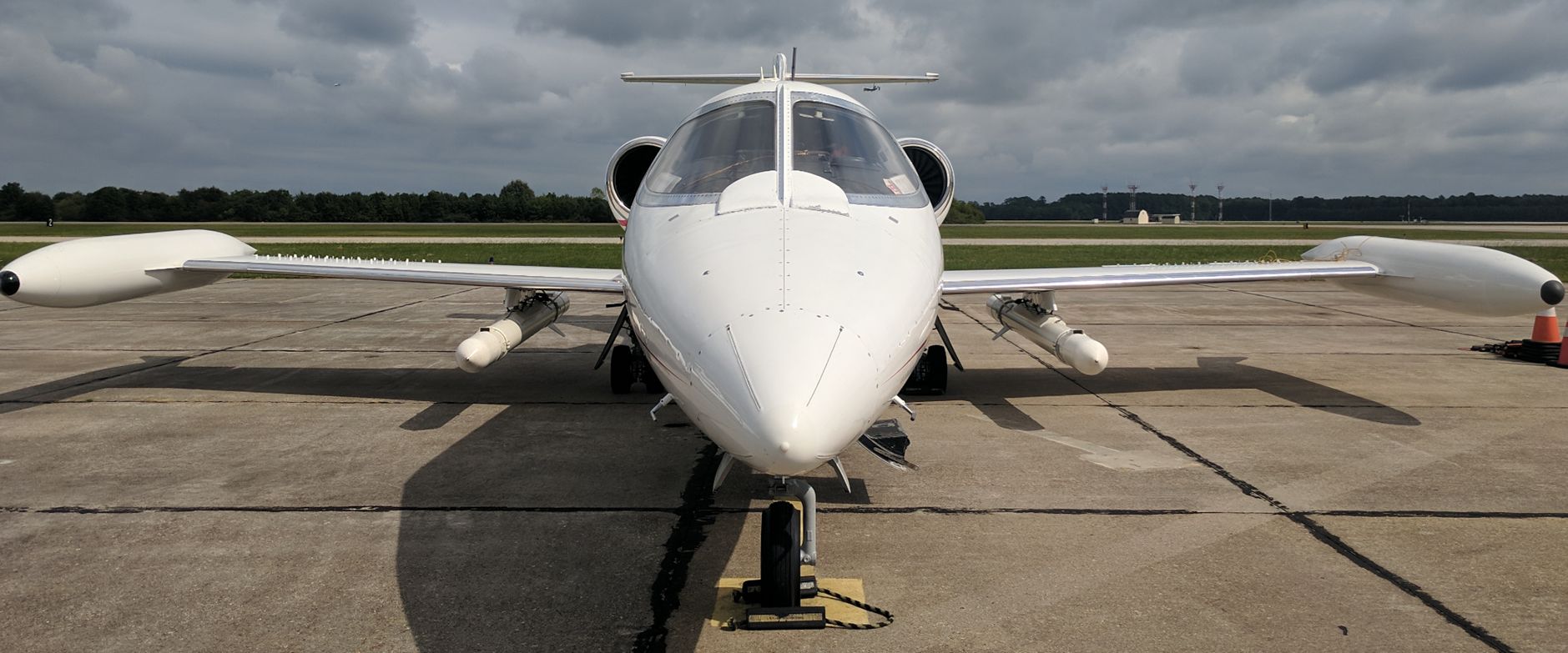
The radar test systems consisted of equipment pods that were mounted under the wings of small military or civilian aircraft. I developed and tested racks of radar test equipment in the lab, packed and shipped the equipment to the field, and coordinated the deployment of other crew members for the rigorous test schedules. In the field, I installed the racks and equipment pods onto the aircraft, plumbed all of the RF and control cables between the equipment pods and system rack, tested and calibrated the systems, then operated the system in various radar test exercises over land, air and sea.
During many of these test deployments, I performed EMC test measurements and wrote documentation to support these radar test systems through military EMC compliance programs.
Georgia Tech
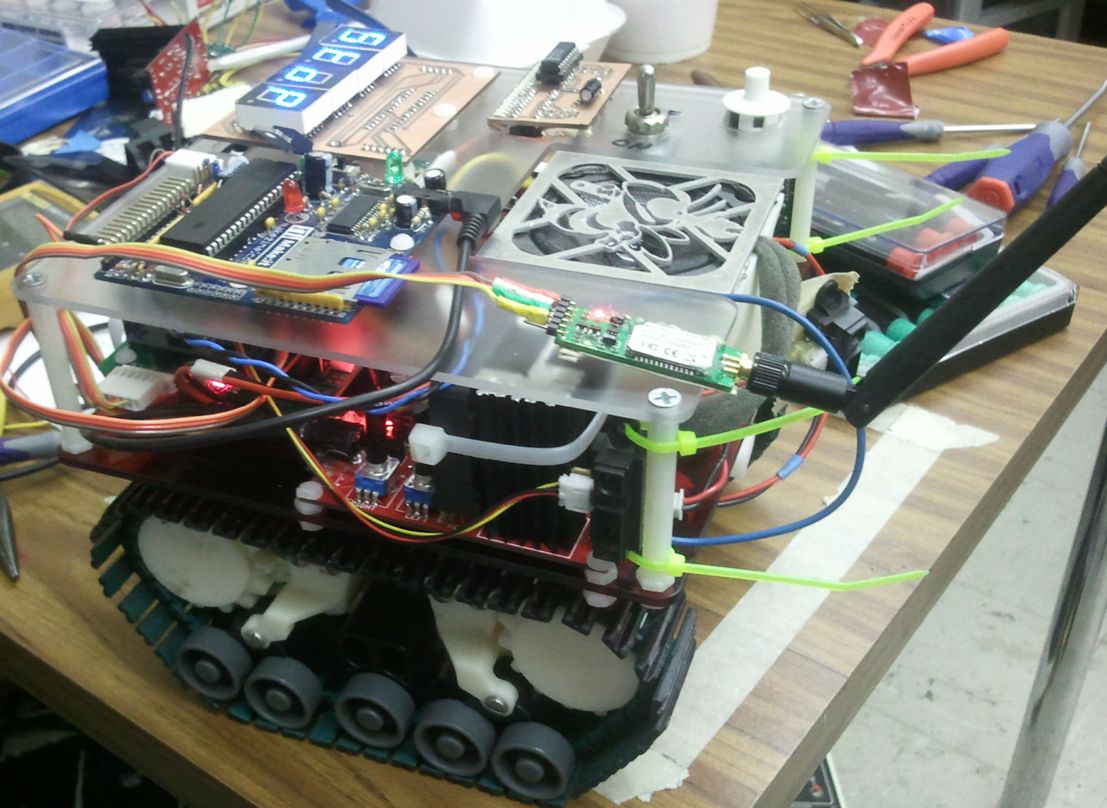
I went to Georgia Tech in Atlanta, GA for my undergraduate and graduate degrees. I originally selected Computer Engineering as my major, but ultimately decided that I liked building devices and working with hardware more than just programming. I changed my major to Electrical Engineering, and gained experience with various clubs and internships. I was a member of our IEEE student branch and hardware team, where we developed and built autonomous robots to compete in annual competitions. I was the Chief Engineer for WREK Radio from 2009-2012, where I lead a massive project to install a new FM broadcast antenna and increase the transmit power up to 100kW. I joined the amateur radio club and earned my general class license.
During my early undergrad years, I was a co-op at the Georgia Tech Research Institute where I got my first hands-on experience with real-world engineering research.
In the summers of 2010 and 2011, I interned at ViaSat, a satellite communications company, where I developed a new digital satellite beacon receiver using an FPGA.
In grad school, I worked at several different labs at GTRI. One project I worked on was a system to electronically seal and secure shipping containers. For another program, I developed systems to wirelessly hijack remote controlled airplanes and drones.
I graduated with my MS in Electrical and Computer Engineering in December 2012.

Beginnings
I have always loved computers, technology and programming. From a young age, I used to take apart old computers or radios just to see what was inside and figure out how they worked. In middle school I started attending computer camps over the summer, where I learned to program. My first programming language was Visual Basic 6, and I stuck with it for way too long. I started this website in 2000. I built my first computer when I went to the local computer show that featured a large auditorium full of vendors selling various computer parts. It was a 433 MHz Celeron with 64 MB of RAM, a 6 GB HD, and a 15“ CRT monitor.
My favorite programming website was Planet Source Code, and every day I would check the latest code uploads for something cool to tinker with. From there I began to branch into other languages, like C++ and PHP. I took a Visual Basic 6 class my freshmen year of high school (2004), but I spent most of the time working on my own projects. One of my biggest projects in high school was D++.
I explored various areas of technology in high school, and on the side I repaired computers for neighbors. The work was mostly spyware and virus removal, networking, operating system installs, and basic computer training. This was fun for me, and usually how I funded new computer parts. I was able to gain troubleshooting experience from solving various types of problems. During the summers in high school, I would work for my school's IT department, fixing and installing computers and networking equipment. I learned about networking and IT support, and I eventually ran Ethernet cables all over my house to set up a home network.
In high school I also did several science fair projects that used neural network models I developed in C++. I was a finalist at the Intel International Science and Engineering Fair (ISEF) in 2005 (Indianapolis) and 2006 (Phoenix).
Page Tools
