
Sidebar
Table of Contents
Hypersonic Avionics at Hermeus
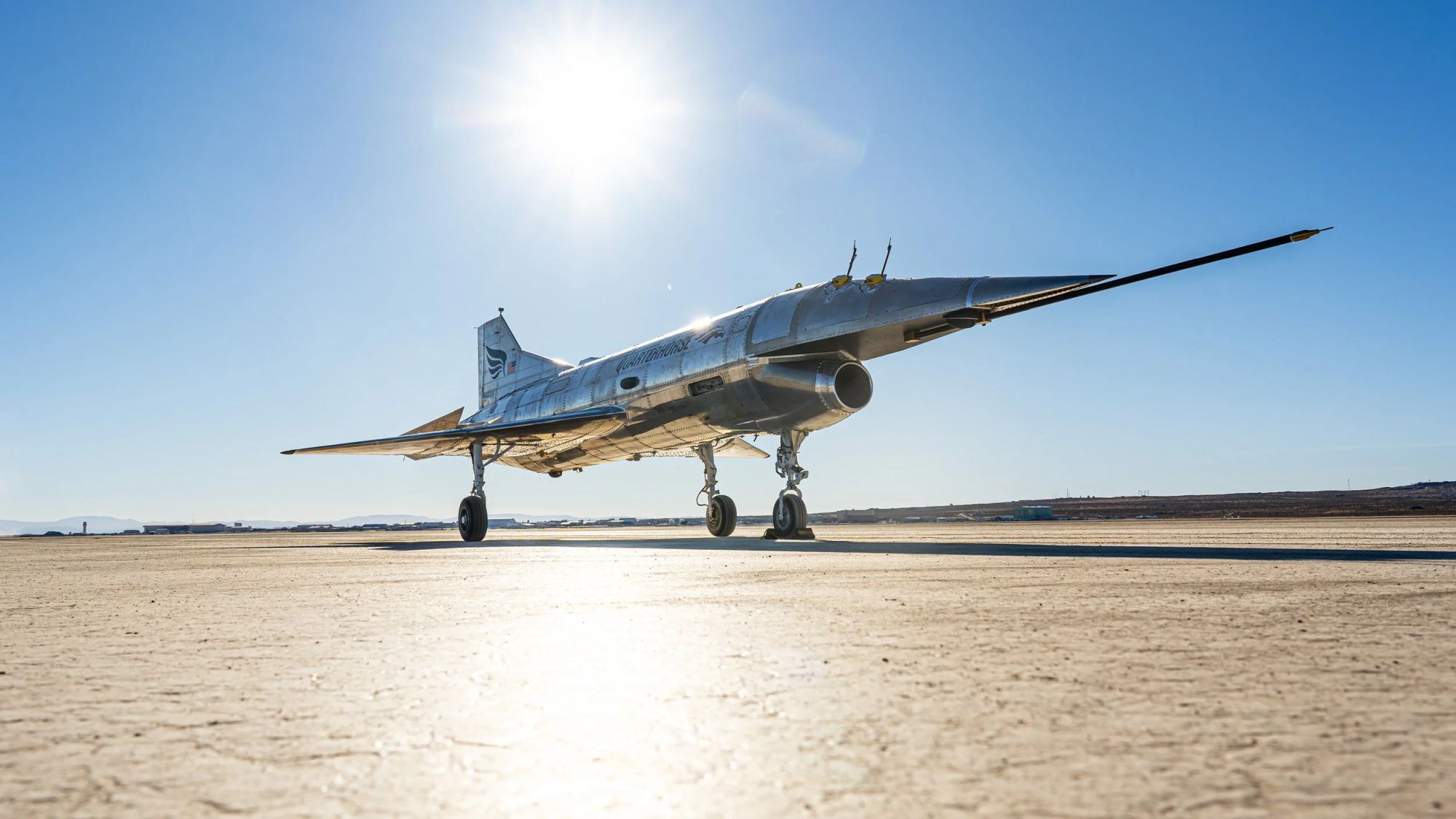
It’s been just over two years since I joined Hermeus as a Principal Avionics Engineer in November 2023, and it has been an absolutely incredible journey. For those unfamiliar, Hermeus is a defense-tech startup with a singular focus: the rapid design, build, and test of high-Mach and hypersonic aircraft. It's been quite a whirlwind for myself, moving from working on small, low-powered IoT devices to fast, experimental airplanes.
The core engineering philosophy at Hermeus is iteration. We are building progressively more complex aircraft to solve problems in hardware, not just in simulation. Before I started, the team had just completed the “Mk 0,” a non-flying, airframe-shaped ground test vehicle. It was a critical step for validating core subsystems—a J85 engine, full hydraulics, HV power, avionics, and comms—and exercising our ground testing operations and capabilities.
I came on board just as the team was pivoting to Mk 1, the aircraft destined to be Hermeus’s first to fly.
Getting Mk 1 Airborne
The goal for Mk 1 was straightforward but immense: prove we could design, build, and fly a jet-powered, remotely-piloted aircraft, FAST. As a Principal Avionics Engineer, my work was split between foundational electrical system design and a critical, time-sensitive triage of the RF systems.
Designing the Core Electrical Systems
As my first assignment, I was responsible for designing several key electrical subsystems from scratch.
- High Voltage (HV) Electrical System: I designed the complete HV system architecture, which powers the aircraft's fuel and hydraulics pump systems. This involved a battery, a generator, and associated power distribution. A major part of this effort was working closely with our battery vendor to develop a custom battery system that met our specific performance and environmental requirements. I then personally ran the entire V&V campaign, including all discharge tests, environmental acceptance testing, and full-scale integrated testing in our “Ironbird” to verify performance with the generator and motors. Finally, I supervised the installation and verification of the flight-ready system.
- Low Voltage (LV) Distribution: I also designed the primary LV distribution system. This was a separate network from the HV system, managing power for the avionics suite using batteries, switches, fuses, and an Electronic Circuit Breaker Unit (ECBU).
- Custom PCB Design (The RIDD): To meet a specific need, I designed a fully isolated, redundant DC-DC converter, which we dubbed the “RIDD” (Redundant Isolated DCDC). This was a full, from-scratch PCB design and verification effort.
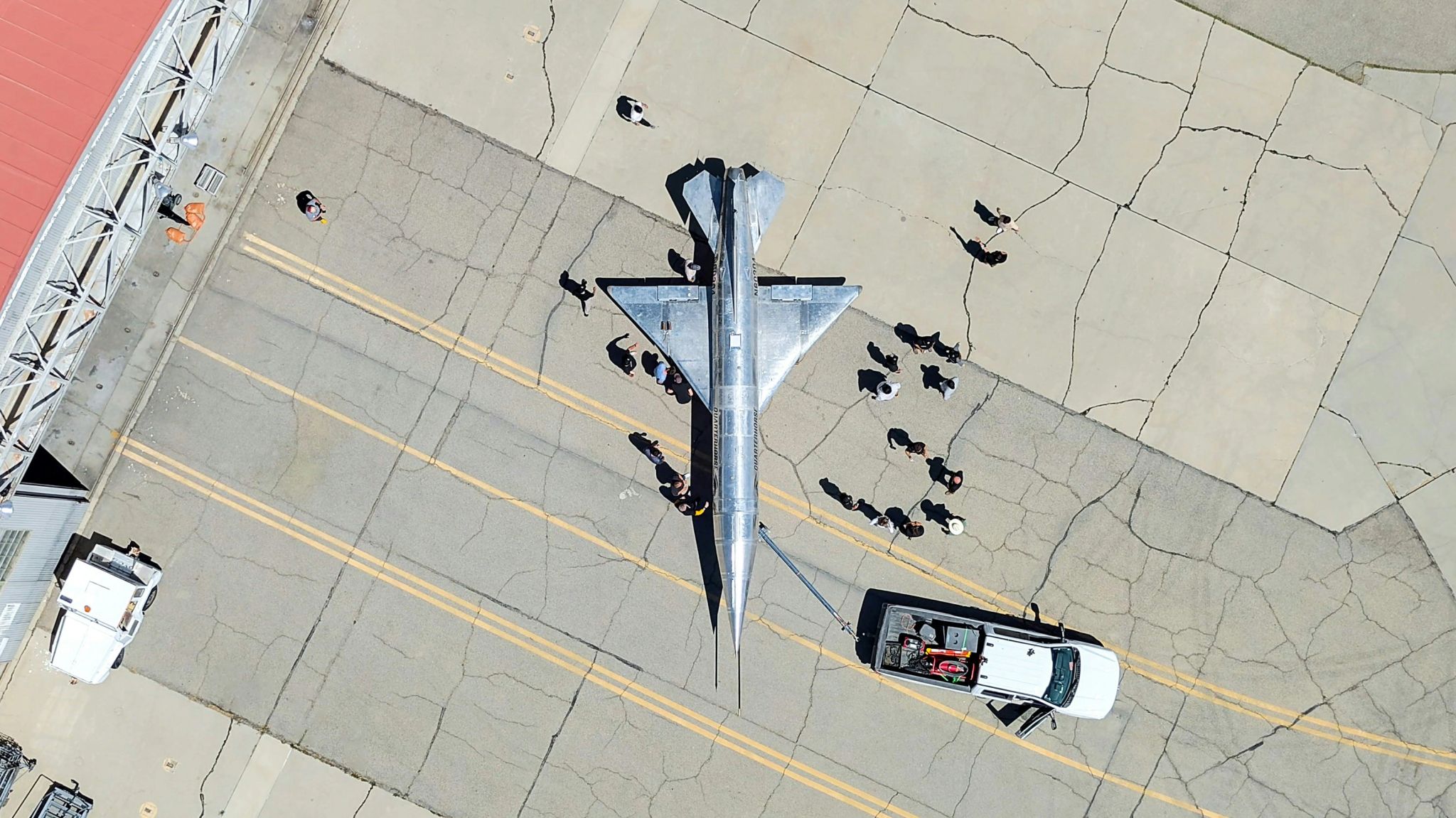
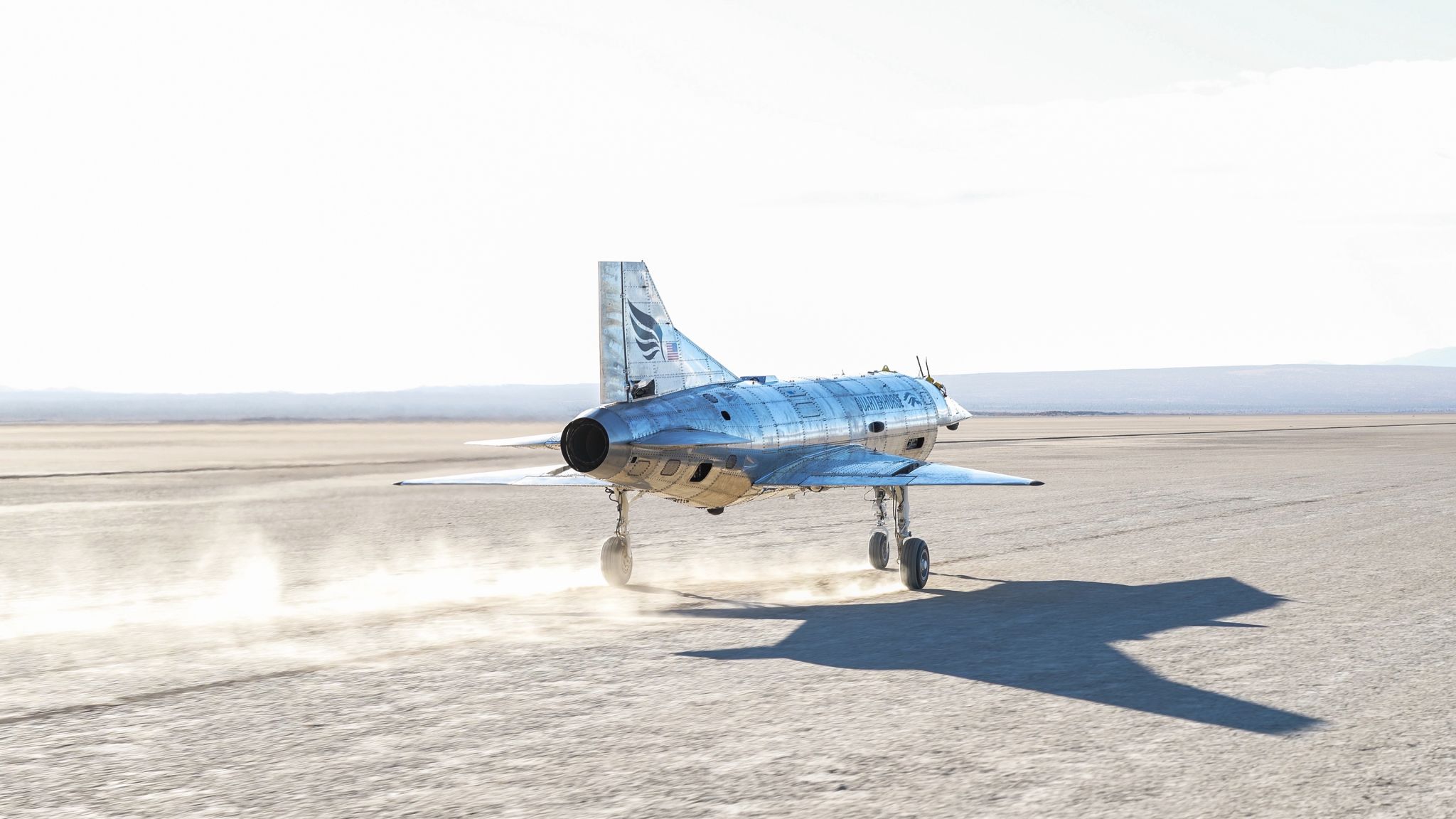
Trial by Fire: Taking the RF Lead
As I was wrapping up the HV system integration testing, our RF lead departed the company. With my background in RF systems and flight testing from GTRI, I volunteered to take over the comms systems.
This was a critical moment. The vehicle was already in field testing, and the lack of a reliable command and control (C2) and telemetry (TM) links was delaying the entire program.
The vehicle had two redundant, independent radio systems, and both were failing.
- System 1 had severe multipath reliability issues.
- System 2 had unacceptable latency issues, making real-time control impossible.
Over the next few months, I systematically diagnosed the issues and resolved our communications problems.
- For the multipath issue, there were a variety of factors that brought the radio back into operational capability. In addition to some silly items like RF cable issues, I worked with the vendor to fine-tune the receiver's equalizer settings, which dramatically improved multipath performance.
- For the latency issue, after an arduous amount of testing, we ultimately determined that the radio system was simply not suitable for low-latency C2. We replaced it entirely with a much more reliable MIMO radio system, giving us additional reliability in multipath-heavy environments.
We also augmented the architecture, adding a SATCOM radio for beyond-line-of-sight (BLOS) capability and an additional line-of-sight (LOS) radio for redundancy.
One of the biggest process improvements I pushed for was adding better metrics to our software. Our telemetry monitoring was “blind” to RF performance, which made debugging performance issues very difficult. I worked with the software team to add real-time tracking of RSSI, packet reception rates, and other key metrics that were provided by the radios. This allowed us to stop guessing and start debugging with data.
With these new metrics, we ran dozens of tests. I wrote my own Python scripts to post-process and visualize the data. This analysis was key to building confidence and, eventually, getting all radio systems working reliably through low-speed and high-speed taxi testing.
The Payoff: Mk 1 First Flight
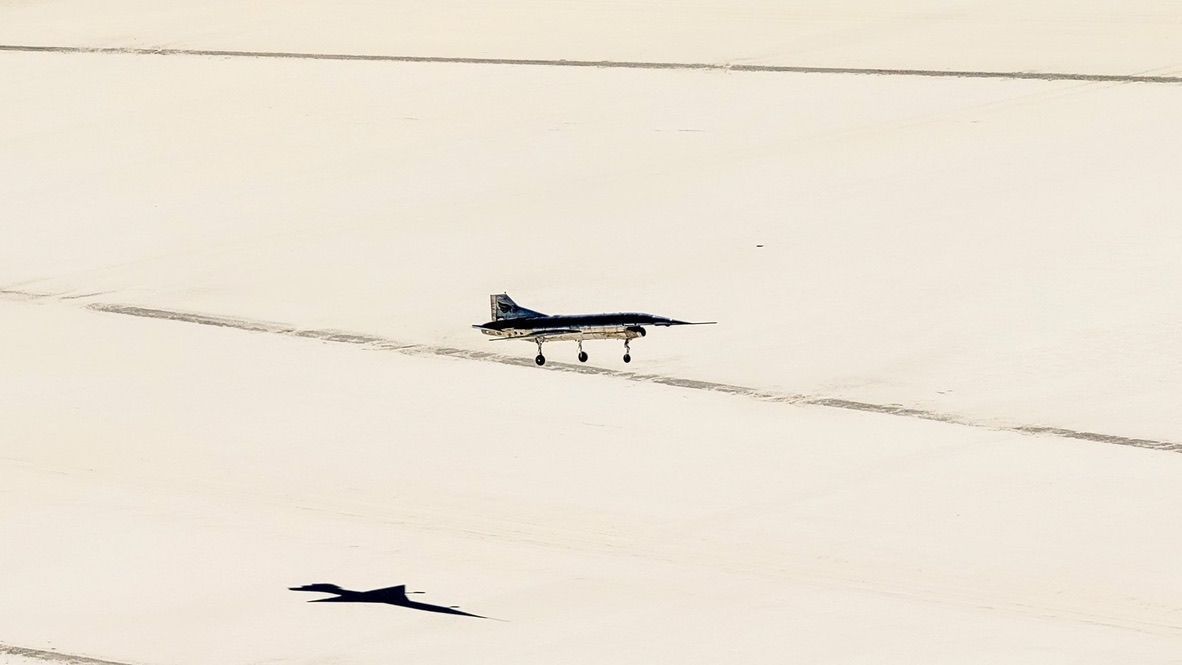
On May 20, 2025, Mk 1 successfully completed its first flight. This was a monumental achievement for the company and a huge personal milestone. I'm incredibly proud to report that all the systems I was responsible for—the HV and LV power systems, the RIDD converter, and the entire C2/telemetry link—performed flawlessly.
Leveling Up: Mk 2.1
We barely paused to celebrate. Work was already well underway on Mk 2.1, our supersonic aircraft slated to fly in early 2026. Mk 2.1 is a much larger aircraft, equipped with a Pratt & Whitney F100 engine.
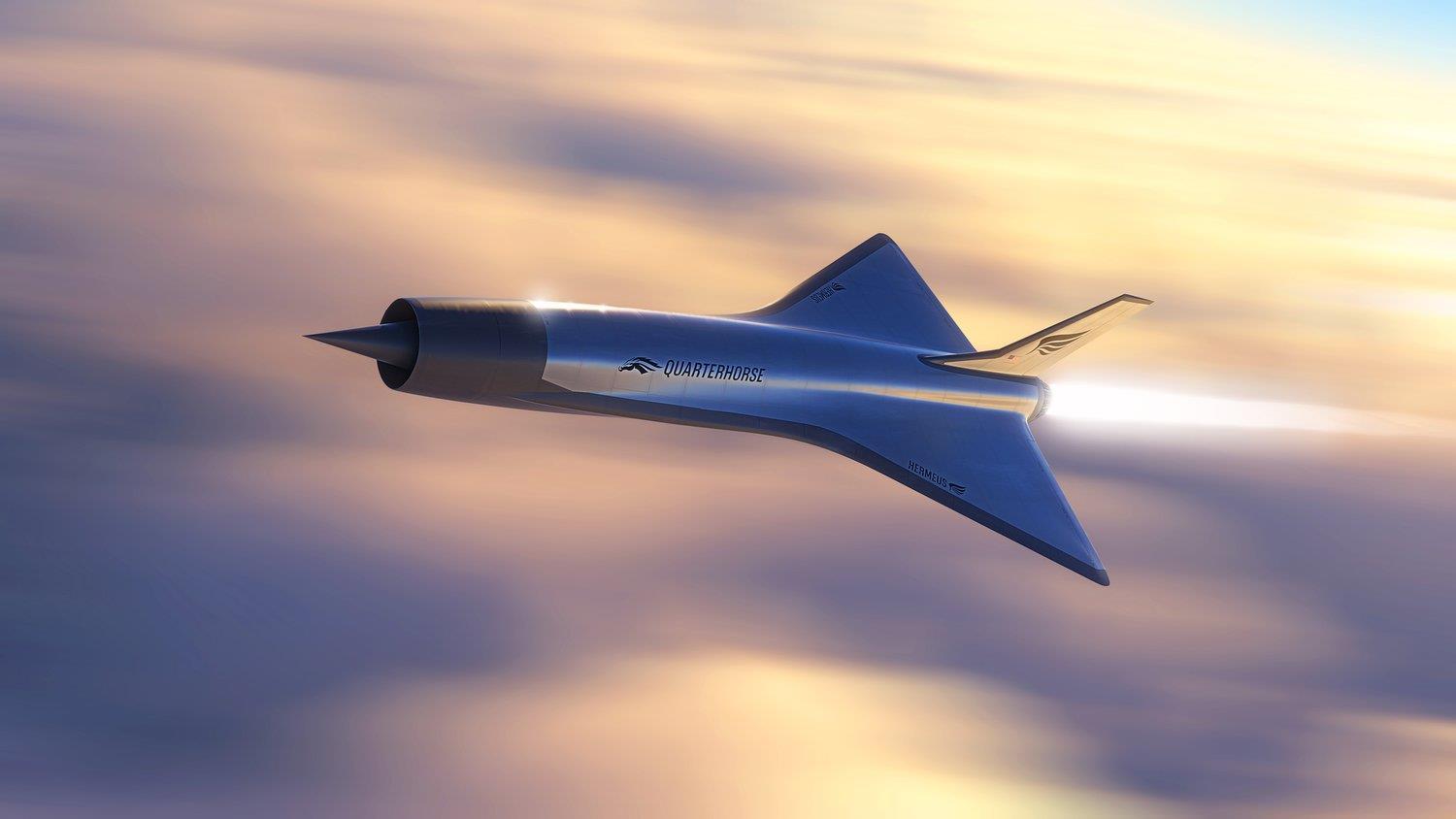
I am continuing my role as RF Lead, but my responsibilities also expanded.
- Core Avionics Tray Design: I took full design ownership of one of the core avionics tray assemblies. This single unit houses our radio systems, LV batteries, power distribution, transponders, and other critical avionics. I was responsible for designing all the electrical wiring, harnesses, and generating the complete documentation package. I also personally performed the V&V and environmental acceptance testing.
- Expanded RF Architecture: We added even more LOS and BLOS radio systems to Mk 2.1 to handle the expanded data requirements and challenging flight envelope.
- Cross-Disciplinary Coordination: I led the technical coordination for our RF hardware, working with our antenna engineer who is designing high-temperature conformal antennas and managing the procurement and design of our high-performance RF cables.
The entire process for Mk 2.1 has been a marked improvement from the scramble on Mk 1. Our methods, documentation, and integrated testing processes are substantially more mature. It’s the iterative development philosophy in action.
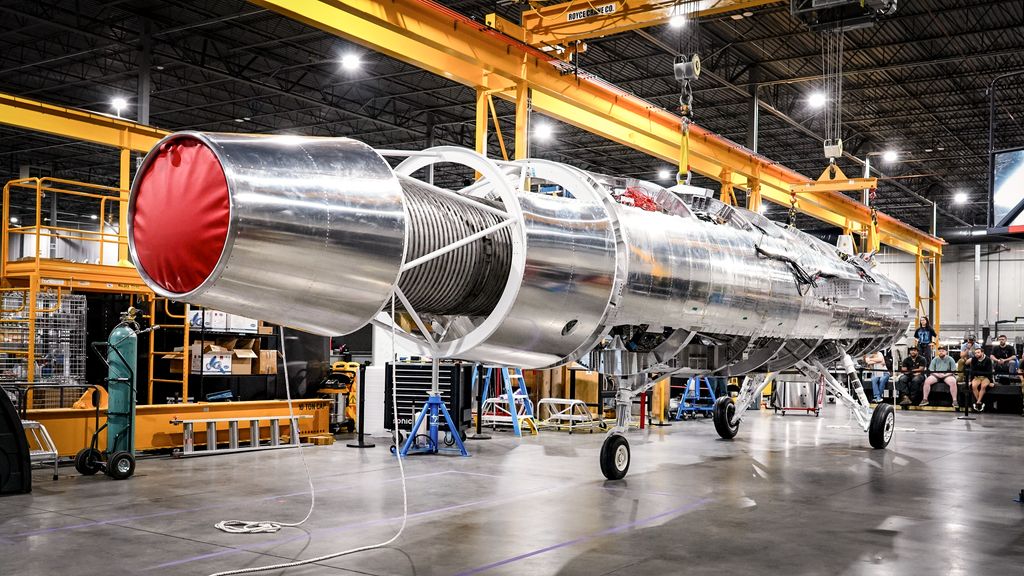
The pace at Hermeus is relentless, but the mission is clear and the engineering is deeply rewarding. We’re moving fast, and I can't wait to see Mk 2.1 take to the skies.
Page Tools
